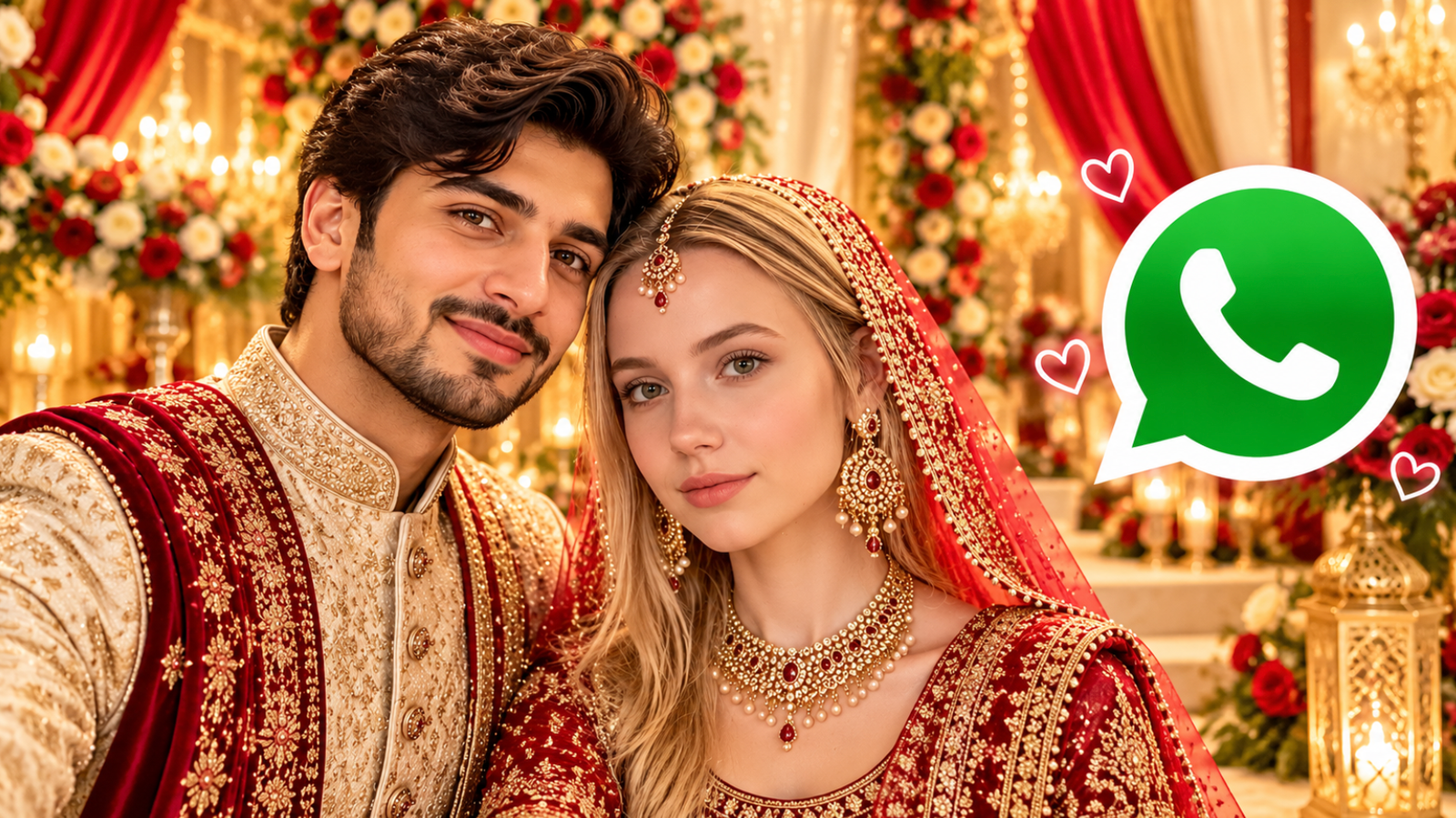
Choosing a life partner is one of the most important decisions in life. In India and Pakistan, many people consider both love marriage and arranged marriage when thinking about their future. Some prefer to choose someone they already know, while others trust their family to help them find a suitable match.
Both approaches can lead to a happy and successful marriage. What matters most is not simply how two people meet, but whether they understand each other, respect each other’s choices, and share similar expectations for married life.
If you are considering a serious rishta, here are nine important things to think about before deciding whether love marriage or arranged marriage is the right path for you.
1. Understand What You Really Want in a Life Partner
Before choosing between love marriage and arranged marriage, think about the qualities you want in your future husband or wife.
Attraction and appearance may influence your first impression, but long-term compatibility often depends on deeper qualities. These include honesty, kindness, emotional maturity, responsibility, and respect.
Make a list of the qualities that matter most to you. Consider which values are essential and which preferences are flexible.
For example, shared values and respectful communication may be more important for a successful marriage than having exactly the same hobbies.
2. Love Marriage: Build a Strong Foundation Beyond Attraction
Love marriage allows two people to develop a connection before getting married. They may already understand each other’s personalities, interests, and communication styles.
However, knowing someone romantically does not automatically mean you are compatible for marriage.
Before making a decision, discuss important topics such as financial responsibilities, career plans, family expectations, children, and where you want to live after marriage.
A healthy relationship should also allow both people to express concerns without fear. If disagreements always lead to anger, pressure, or disrespect, take time to evaluate the relationship carefully.
Remember: Love is important, but a lasting marriage also needs trust, practical planning, and mutual responsibility.
3. Arranged Marriage: Give Yourself Time to Know the Person
In an arranged marriage, families or trusted relatives often help introduce potential partners. This approach can provide family support and help people meet candidates who share similar cultural or personal values.
However, accepting a rishta should never mean agreeing to marry someone without understanding them.
Use the introduction period to have meaningful conversations. Ask about daily routines, work, future ambitions, family responsibilities, and expectations from a spouse.
If possible, arrange several respectful conversations before making a final decision. Both people should have enough time to think independently.
An arranged marriage can develop into a loving partnership when both individuals freely choose each other and make an effort to build trust.
4. Compare Your Values and Future Goals
Whether you meet through love or an arranged rishta, shared values can make married life easier.
You do not need to agree on every small issue. However, major differences should be discussed before marriage.
Consider these questions:
What does a happy marriage mean to each of you?
How important are family traditions and cultural values?
What are your career and education plans?
How would you manage household responsibilities?
What are your expectations about children?
How would you handle disagreements?
The purpose of these questions is not to find a perfect person. It is to understand whether you can build a future together while respecting each other’s differences.
5. Look at Character, Not Just Family Background
In many South Asian families, family background, education, profession, and social standing are important considerations when evaluating a rishta.
These factors can provide useful context, but they should not replace an assessment of the individual’s character.
Notice how the person treats family members, service workers, friends, and people with different opinions. Their behaviour in ordinary situations may reveal more than impressive introductions or promises.
A suitable life partner should demonstrate honesty, accountability, patience, and respect.
Both families can play a supportive role, but the two people getting married should remain central to the decision.
6. Discuss Money and Financial Responsibilities
Financial expectations are a common source of misunderstanding after marriage. Couples may have different ideas about saving, spending, supporting relatives, or managing household expenses.
You do not need to share every private financial detail during the first conversation. However, before finalising a marriage, it is sensible to discuss financial responsibilities honestly.
Important topics include:
Employment and future career plans.
Household expenses and budgeting.
Saving habits and financial goals.
Existing financial commitments.
Expectations about supporting parents or relatives.
Whether both partners expect to work after marriage.
These discussions can help both people understand their responsibilities and avoid unrealistic expectations.
7. Make Sure Your Decision Is Free From Pressure
Family advice can be valuable, especially when relatives have experience and genuinely want the best for you. However, marriage should involve the free and informed consent of both individuals.
Do not agree to a rishta simply because you feel pressured by relatives, social expectations, age-related comments, or fear of disappointing someone.
Likewise, do not pressure another person to accept your proposal.
Take enough time to consider your feelings, ask questions, and discuss concerns. If you feel unable to say no safely, seek support from someone you trust.
A respectful marriage begins with a decision that both people genuinely want to make.
8. Consider Communication and Conflict Resolution
Every marriage has disagreements. The important question is how both partners respond when they do not agree.
A good potential partner should be willing to listen, explain their point of view, and work towards a reasonable solution.
During conversations, notice whether the person interrupts you constantly, dismisses your concerns, or expects you to agree with everything they say.
Healthy communication does not mean avoiding every disagreement. It means discussing difficult topics without insults, threats, intimidation, or humiliation.
If you can discuss differences respectfully before marriage, you may be better prepared to handle challenges together later.
9. Take Online Rishta Safety Seriously
Many people now meet potential partners through social media, matrimonial websites, and online communities. These platforms can help people connect, but it is important to remain careful.
Before trusting someone you meet online, take reasonable steps to verify their identity and the information they share.
Follow these safety practices:
Avoid sharing your home address or sensitive documents too early.
Never send money to someone simply because they claim to love you or promise marriage.
Be cautious of requests involving emergencies, gifts, travel expenses, or investment opportunities.
Verify important details through appropriate and respectful means.
Tell a trusted family member or friend about significant meetings.
Choose a safe public place for an initial in-person meeting.
Do not ignore serious warning signs just because someone appears charming or makes promises about the future.
Love Marriage vs Arranged Marriage: Which Is Better?
There is no single answer that works for everyone. Love marriage may suit people who prefer to develop a relationship before considering marriage. Arranged marriage may suit people who value family introductions and a structured process for meeting potential partners.
Neither approach guarantees happiness or failure.
A successful marriage is more likely to have a foundation of mutual respect, honest communication, shared expectations, personal responsibility, and freely given consent.
Instead of asking only which type of marriage is better, ask whether the person you are considering is someone with whom you can build a respectful and stable future.
Frequently Asked Questions
1. Is love marriage better than arranged marriage?
Not necessarily. Both can lead to fulfilling marriages. Compatibility, mutual respect, communication, and commitment matter more than the way a couple meets.
2. How long should I know someone before marriage?
There is no fixed period that suits everyone. Take enough time to discuss important topics, observe behaviour, verify essential information, and make a thoughtful decision without unnecessary pressure.
3. Can arranged marriage develop into love?
Yes. Affection and trust can grow as two people spend time together, communicate openly, and learn to understand each other.
4. What is the most important quality in a life partner?
There is no single quality that guarantees a successful marriage. Honesty, respect, emotional maturity, responsibility, and compatible expectations are all valuable.
5. Should parents make the final decision about a rishta?
Parents can offer useful advice and support, but both individuals should have the freedom to decide whether they want to marry each other.
6. What should I do if I am unsure about a marriage proposal?
Ask for more time, discuss your concerns honestly, and seek advice from someone trustworthy. You do not need to rush into a lifelong commitment before you feel ready.
Conclusion
Choosing between love marriage and arranged marriage is a personal decision that depends on your circumstances, preferences, family situation, and values.
The most important step is to look beyond the method of meeting and focus on the person you may spend your life with. Discuss your expectations, understand each other’s goals, pay attention to character, and make sure both individuals feel comfortable with the decision.
A thoughtful rishta decision is not about finding someone who appears perfect. It is about finding someone who is willing to build a respectful, honest, and supportive partnership with you.
Take your time, ask meaningful questions, and choose a future that reflects your values and mutual understanding.